

Today's buildings
Still work in progress, but nearly there!
My initial interest came from what I see of the buildings as I walk down Castle Street, so I am looking at each in turn, or sometimes in small groups, and describe what I see as well as ponder what may have been before. I look at any visible clues I can observe, but also look back at old photos, old maps and any other information I can find from my 'armchair research'.
But first, a quick resume and background history:
There were probably some form of buildings, not necessarily dwellings, along most of the lower section of Castle street from around the 1300s, but I doubt that much if anything is left of those now. Many will have been completely replaced, and others will have been altered so much that there may only be small clues of previous structures behind the frontages.
Of course, what was here in the 1300s and 1400s would have looked quite different from today's buildings, with small glass-less windows and low eaves, all with thatched roofs and probably lime-washed walls. Through the following centuries roofs would have been slowly raised, windows with glass appeared and gradually increased in size; some buildings would have had added first floors to previous single story structures. Some may have had complete new frontages refacing the original.
The major changes, however, would have been in the 1600s and 1700s when more substantial buildings would have been developed. Many of the original thatched roofs would have been replaced with tiles and later some slate. By the mid to late 1700s Castle street would have begun to have the appearance that we might at least partly recognise today.
It must have been quite a shock in the mid 1700s, when what is now known as Poole House was built, as it was larger and quite different in style from anything that had been in the street before. Suddenly, Castle street began to take on the air of what was previously only seen in the towns and cities.
I wonder if behind today's frontages there is any evidence of much of the earlier construction. I know with my own cottage that there were at least four different stages of construction spanning at least two hundred years, possibly more, and that was before what we know was here in the early 1900s. Then there were more alterations through the 1900s. I suspect that many other buildings along Castle street have a similar chequered or evolving construction history.
Now lets have a closer look at the individual buildings and see if there are clues from which we can deduce anything about their construction history...
I look at each individual building, starting with the North side, followed by the south side. -If you want to see how it is going, click on the individual images below for notes I have made so far (they open in a new tab):
North side


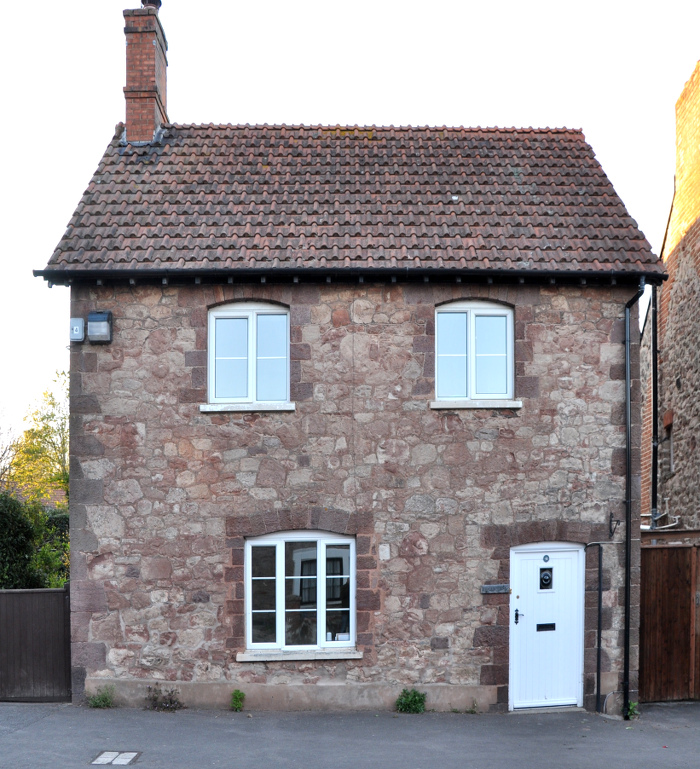


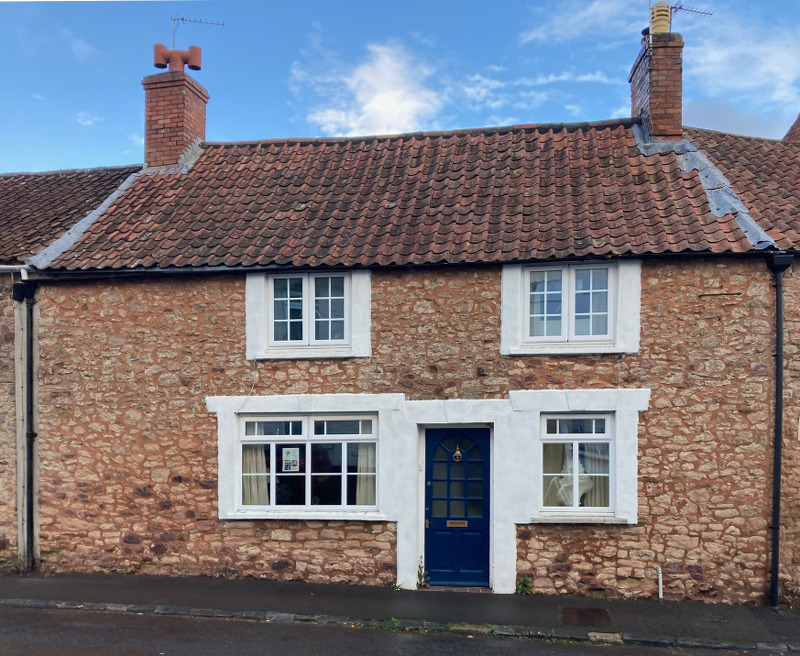
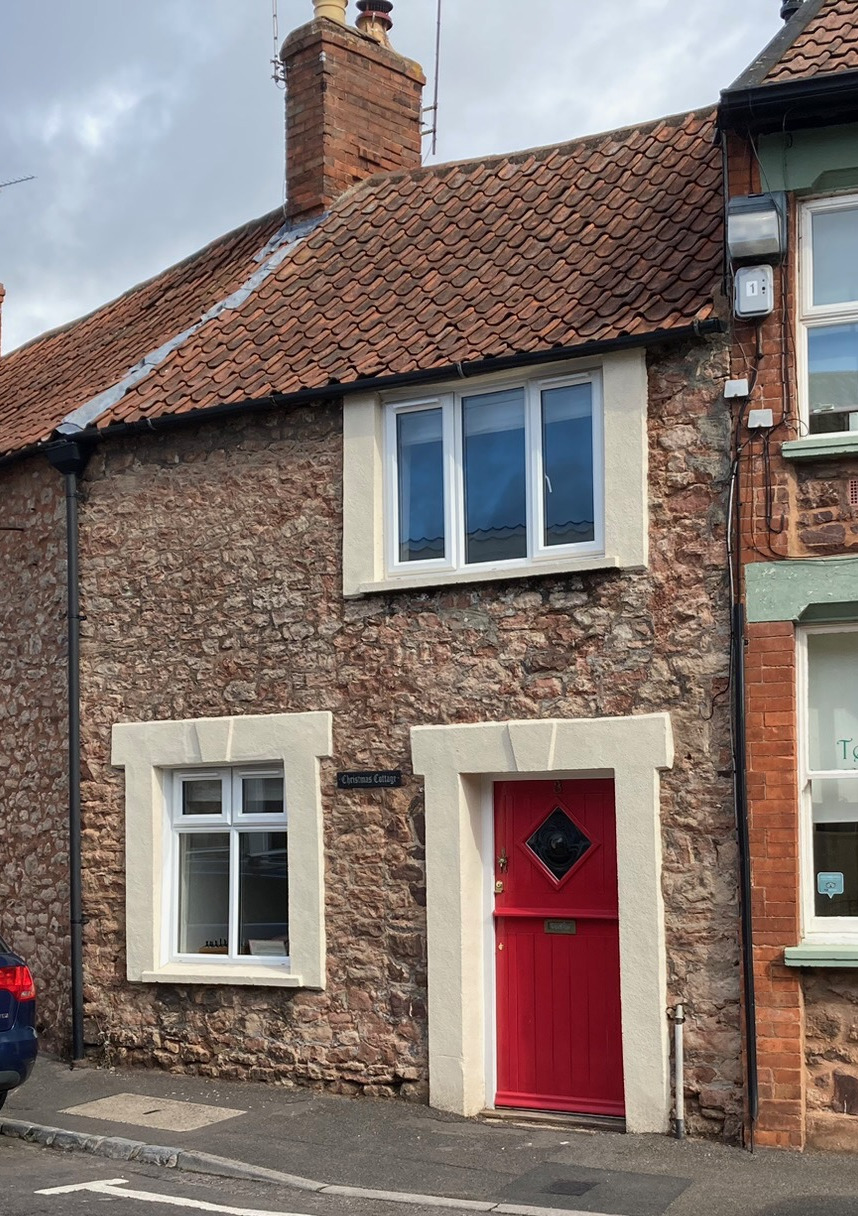

South side


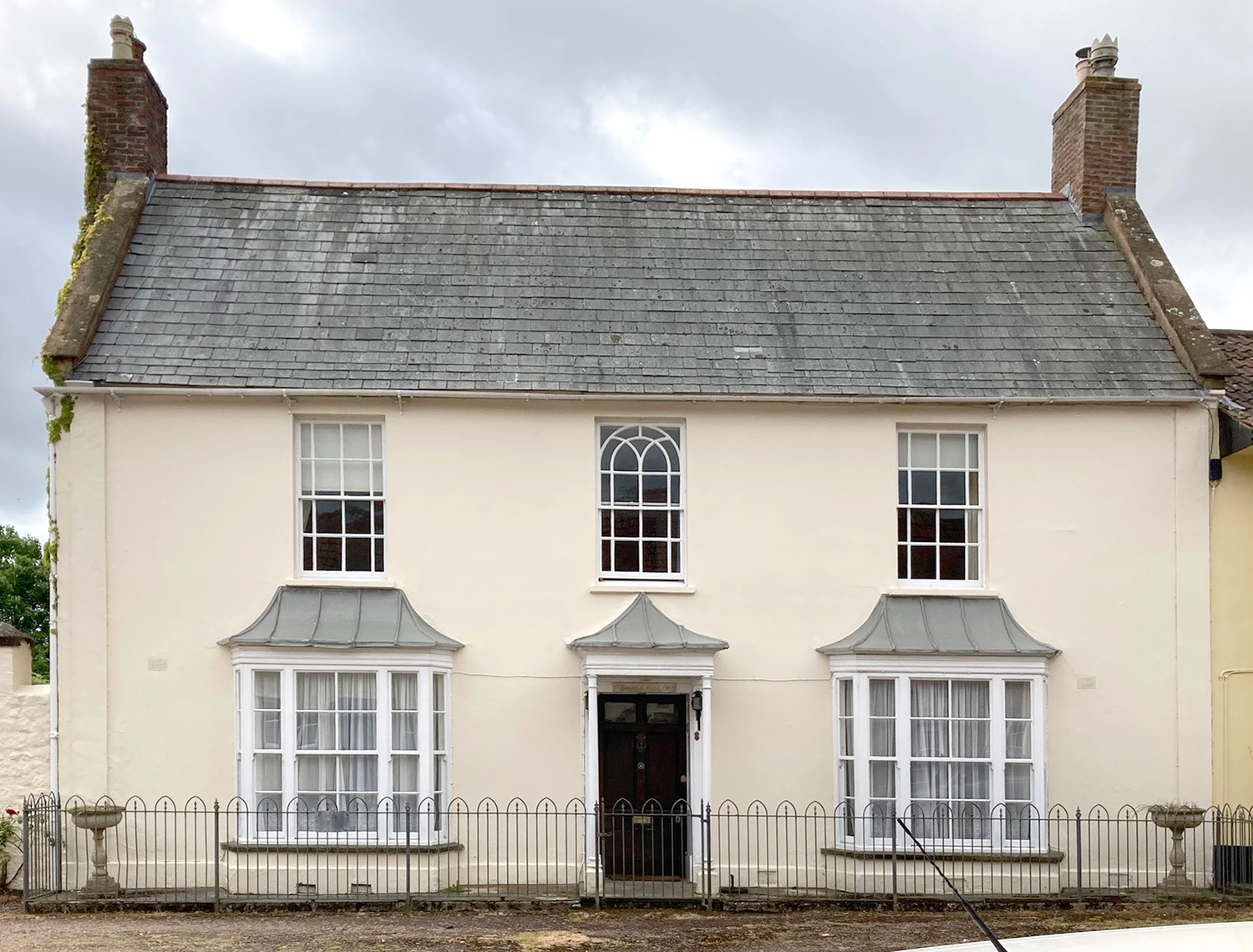




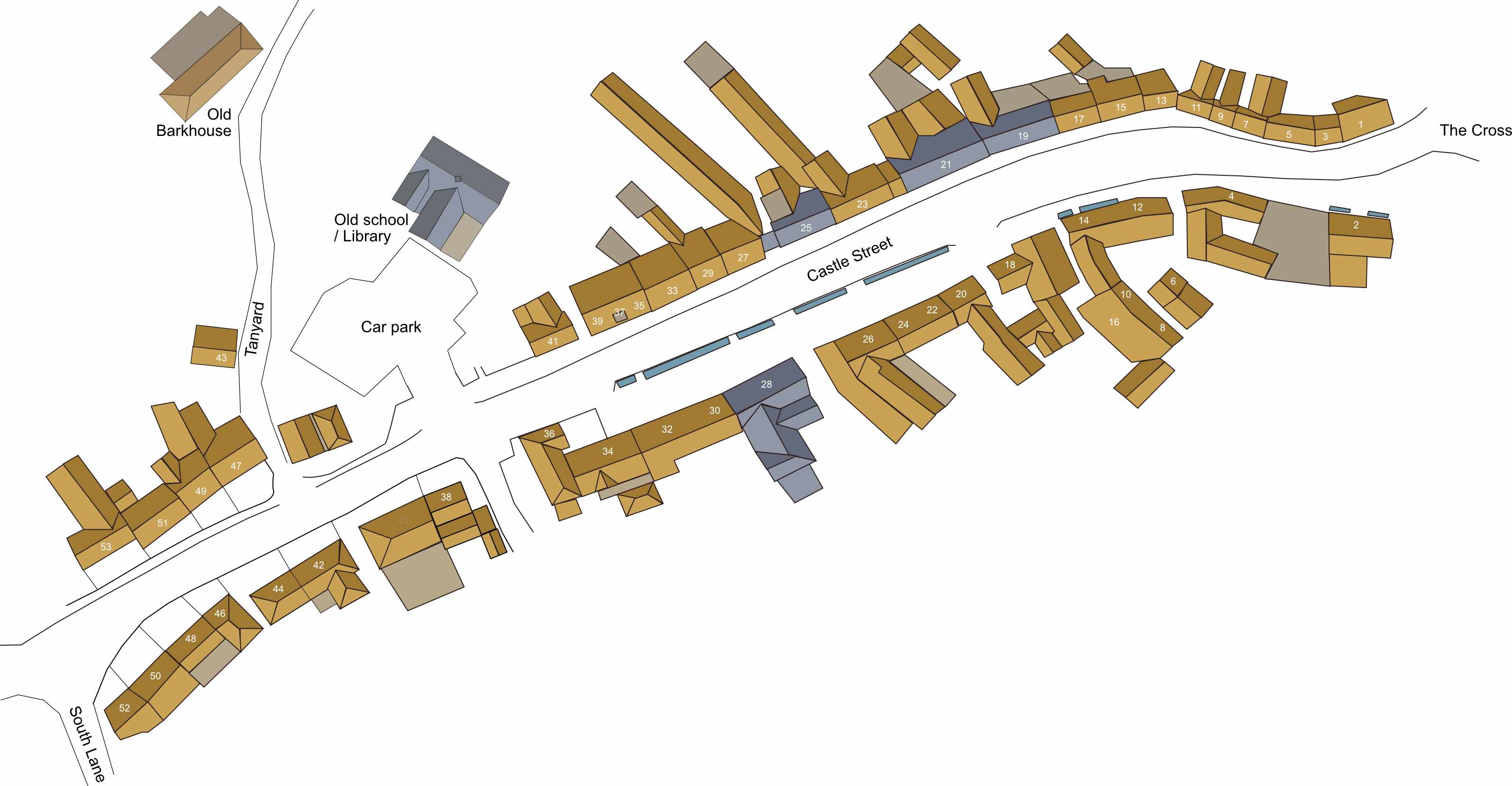
....
This page is still under review, please come back to see possible future additions.